Are Polo Shirts Required for Golf? Dress Code Explained
Golf is a game steeped in tradition, and while the rules of play are clearly defined, the dress code can vary widely depending on where you tee off. Many golfers wonder if a polo shirt is mandatory — and the answer isn’t always simple. Understanding the typical expectations helps you avoid尴尬 moments and ensures you’re always prepared to play.
Typical Course Dress Codes
Most golf courses — whether private or public — require a collared shirt as part of their standard dress code. This usually means a polo shirt, button-down, or mock neck. The rationale is simple: golf has long been associated with a certain level of decorum, and a collared shirt signals respect for the game and the environment. Even on public courses, where the rules may be more relaxed, a collared shirt remains the safest bet. Some courses explicitly list “no T-shirts, no tank tops” in their policy, and enforcement can vary from casual reminders to outright refusal of entry.
Why Collared Shirts Are the Standard
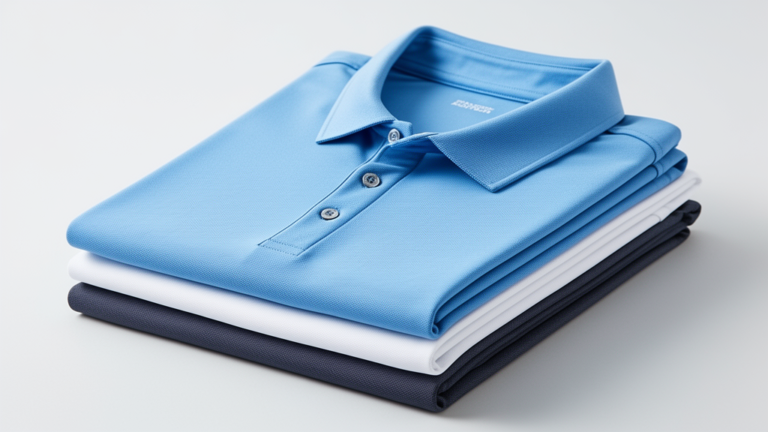
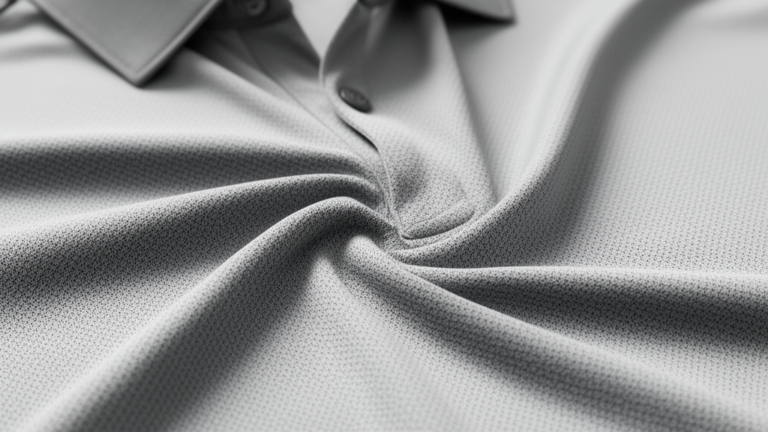
The collared shirt isn’t just about tradition — it serves a practical purpose too. Collars help distinguish golfers from casual players or spectators, especially on busy courses. They also provide a clean, tailored look that complements the sport’s image. Modern golf polos from brands like Nike Dri-FIT, adidas, Callaway, and Under Armour are designed with performance in mind: moisture-wicking fabrics, stretch panels, and UV protection make them ideal for long days on the course. The collar stays upright, even in wind, and the fit allows full range of motion during your swing — something a T-shirt simply can’t match.
Private vs Public Course Differences
Private clubs tend to enforce stricter dress codes. Many require collared shirts at all times, prohibit cargo shorts, and may even mandate golf-specific footwear. Some require members to wear a belt and prohibit jeans, even on casual days. Public courses, on the other hand, often allow more flexibility — especially during off-peak hours or weekday rounds. That said, even at public courses, you’ll rarely see players wearing plain T-shirts without a collar. The line between “allowed” and “not allowed” is thin, and most public courses will still expect a polo or similar shirt. When in doubt, assume the private club standard applies.
What’s Usually Not Allowed
Here’s a quick list of clothing items that are almost universally prohibited on golf courses:
– Plain T-shirts or tank tops (even if they’re athletic)
– Denim jeans or shorts (even if they’re clean or dark-washed)
– Sweatpants, track pants, or gym leggings
– Flip-flops, sandals, or street shoes
– Cargo shorts with large pockets
– Hats worn backwards or with overly loud branding
Some courses also ban sleeveless tops for men and low-cut or revealing tops for women. While these rules aren’t always written on the website, they’re common in practice. If your shirt doesn’t have a collar, you’re likely violating the unwritten code — even if the course doesn’t have a posted sign.
How to Be Safe: The 3-Point Rule
To avoid any issues, follow this simple rule before you head to the course:
1. **Wear a collared shirt** — a polo is the most common and reliable choice.
2. **Choose appropriate bottoms** — tailored shorts (above the knee) or slacks are safest. Avoid athletic leggings unless the course explicitly allows them.
3. **Wear proper footwear** — golf shoes, clean athletic shoes with non-marking soles, or loafers. No cleats unless the course permits them.
This combination covers 95% of course policies. Even if a course is known for being laid-back, you’ll never be turned away for dressing too nicely. And if you’re unsure, call ahead — most pro shops are happy to confirm what’s acceptable.
Final Tip: When in Doubt, Wear a Polo
The term “golf dress code polo shirt” isn’t just a phrase — it’s the universal solution. Whether you’re playing at a historic private club in the Northeast or a public course in Florida, a well-fitting polo in a neutral color (white, navy, grey, or black) will never let you down. Look for performance fabrics that handle sweat and sun, and avoid overly loud graphics or slogans. Stick to classic logos and clean lines — they’re timeless, respectful, and always acceptable.