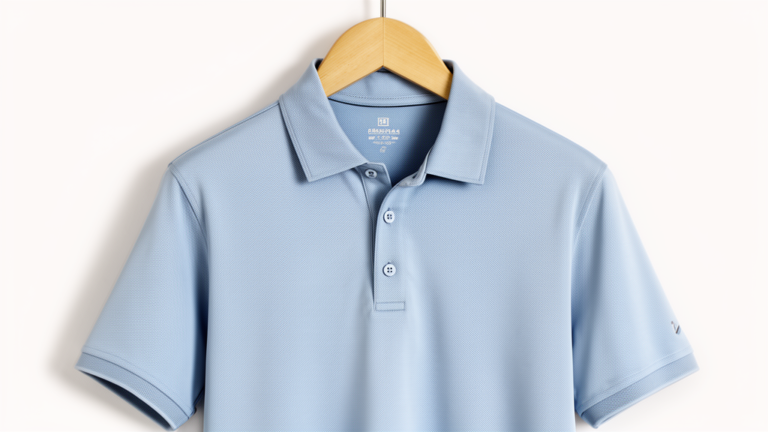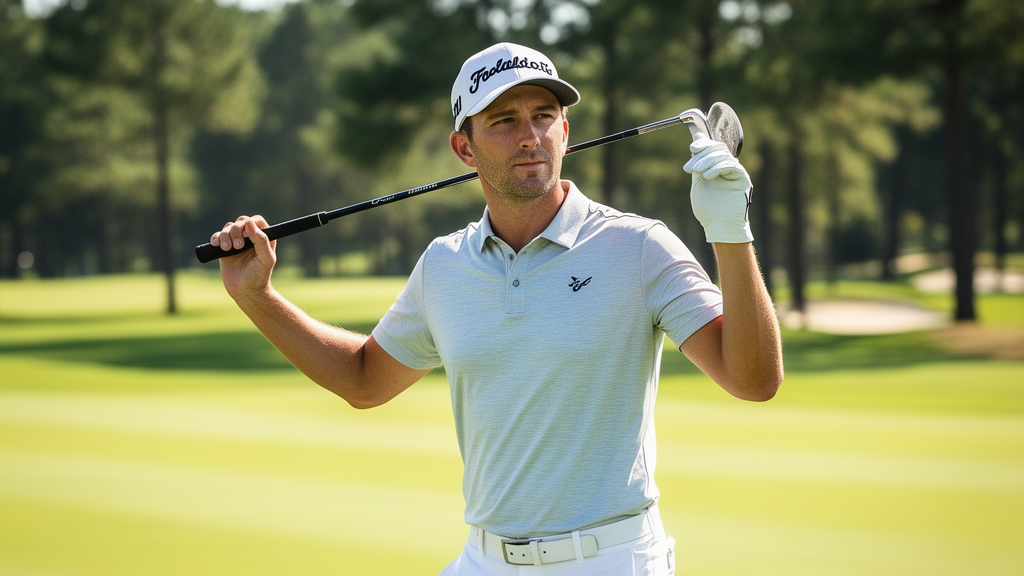
Best Golf Shirts for Hot Weather
Our Top Picks for Hot Weather
Reader-favorite golf shirts built for heat. As an Amazon Associate we may earn from qualifying purchases.
When the sun beats down and the fairway feels like a sauna, your golf shirt isn’t just about style—it’s your first line of defense against overheating. Choosing the best golf shirts for hot weather means prioritizing function over form, without sacrificing comfort or performance.
Why Fabric Matters in Hot Weather
The right fabric can mean the difference between a comfortable round and a sweaty, fatigued one. Traditional cotton shirts absorb sweat but don’t dry quickly, leaving you damp and heavy—especially in high humidity. In contrast, modern performance fabrics are engineered to pull moisture away from your skin and evaporate it rapidly. This process, called moisture-wicking, keeps you cooler and drier by preventing that sticky, clingy feeling. For hot-weather golf, avoid 100% cotton unless it’s blended with synthetic fibers. Look for shirts made with polyester, nylon, or proprietary blends designed specifically for athletic performance.
Moisture-Wicking vs. Cotton: The Real Difference
Cotton may feel soft and familiar, but it’s a poor choice for extended time under the sun. Once saturated with sweat, cotton retains moisture, increasing the risk of chafing and heat retention. Performance fabrics, on the other hand, are designed to move sweat to the outer surface of the fabric where it can evaporate. Brands like Nike Dri-FIT, adidas Climalite, and Under Armour HeatGear have spent years refining these technologies. These materials don’t just dry faster—they often feel lighter and more breathable than cotton, even when layered. In temperatures above 85°F, the gap in comfort becomes undeniable.
Top Features to Look For
Beyond moisture-wicking, the best golf shirts for hot weather include these essential features:
– Ventilation: Look for mesh panels under the arms, along the back, or at the sides. These zones allow airflow where your body generates the most heat.
– UPF Protection: Many performance golf shirts now include UPF (Ultraviolet Protection Factor) ratings. A UPF 30+ rating blocks at least 97% of UV rays, reducing sun exposure without needing extra sunscreen.
– Fit: A slightly looser cut improves airflow, but avoid baggy styles that interfere with your swing. Opt for a tailored athletic fit—snug enough to stay in place, loose enough to breathe.
Also check for flatlock seams, which reduce chafing, and tagless labels to prevent neck irritation during long rounds.
Brand Lines Worth Knowing
Several brands consistently deliver high-performance shirts built for heat:
– Nike Dri-FIT: Lightweight, breathable, and widely available. Their Dri-FIT ADV line adds even more airflow and stretch.
– adidas: Their Climacool and AEROREADY lines offer targeted ventilation and quick-dry tech, often with a modern, slim silhouette.
– Callaway: Known for sun protection and comfort, Callaway’s shirts often include UPF 50+ and moisture-wicking fabrics with subtle, classic styling.
– Under Armour: HeatGear shirts are engineered for high-output activity and excel in humidity. They’re popular among players who sweat heavily.
– FootJoy: A trusted name in golf apparel, FJ’s Performance and CoolMAX lines combine moisture control with a polished look suitable for the clubhouse.
– TravisMathew and Greyson: These brands blend performance with stylish details like contrast collars and patterned plackets—ideal if you want to stand out without sacrificing function.
How to Choose the Best Golf Shirt for Hot Weather
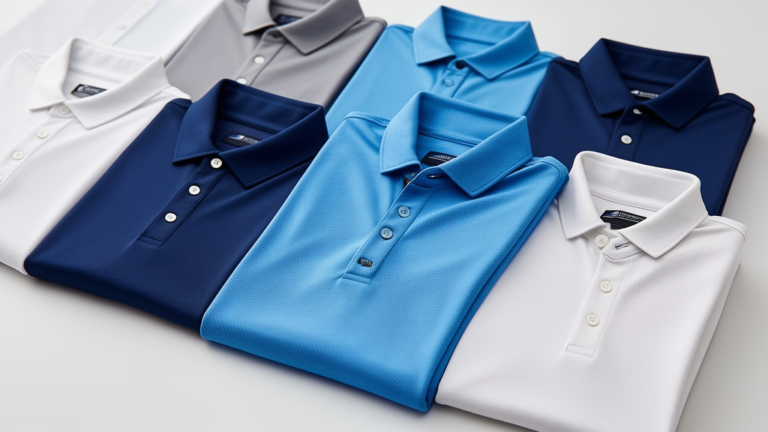
Start by assessing your typical conditions. If you play in humid climates like Florida or Texas, prioritize maximum breathability and UPF protection. If you’re in a dry, desert environment, focus on ventilation and lightweight construction. Consider color: light shades like white, light gray, or pastels reflect sunlight better than dark colors. Check the care label—some performance fabrics require gentle washing and no fabric softener to maintain their wicking ability. Don’t overlook sleeve length: short sleeves offer the most cooling, but 3/4-length sleeves provide extra sun protection without overheating. Finally, try shirts on with your golfing layers—if you wear a light vest or jacket, ensure the shirt doesn’t ride up or bunch when you raise your arms.