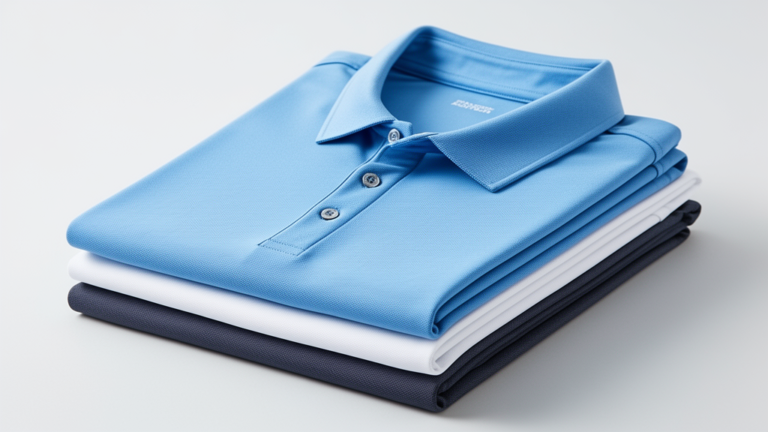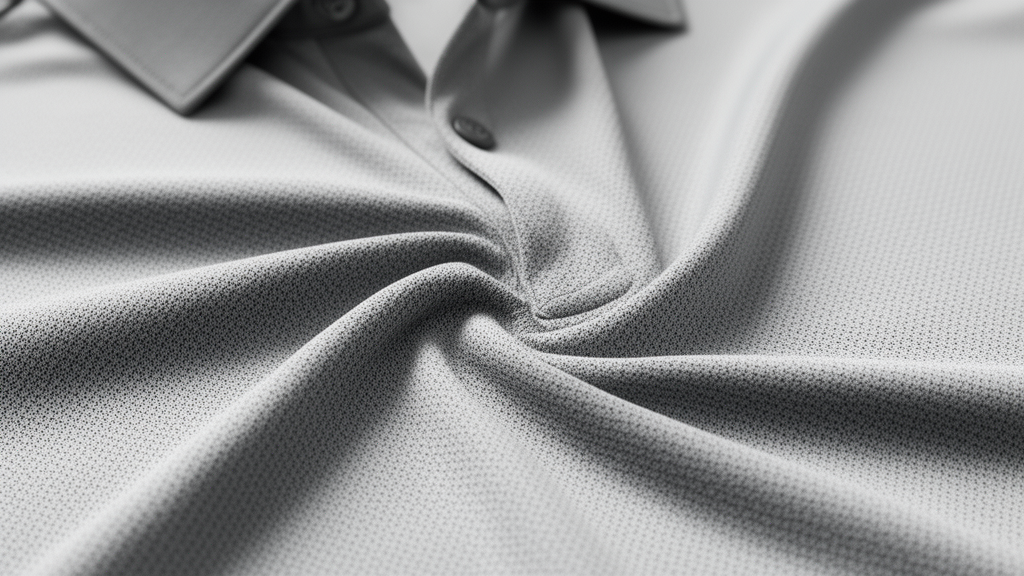
Dri-FIT vs Cotton Golf Shirts: Which Is Better?
When you’re choosing between a Dri-FIT and cotton golf shirt, you’re not just picking fabric—you’re deciding how you’ll feel on the course under sun, heat, or humidity. The right choice affects your comfort, performance, and even your confidence during a round.
How Each Fabric Performs
Dri-FIT shirts, developed by Nike and now widely adopted by brands like Under Armour, Callaway, and PUMA, are made from synthetic polyester blends engineered to wick moisture away from the skin. These fabrics are designed for active movement and high-sweat conditions. Cotton, on the other hand, is a natural fiber that absorbs sweat but doesn’t move it efficiently. Traditional cotton golf shirts can feel heavy and damp after a few holes, especially in warm weather. While cotton has a classic, soft feel, it lacks the performance edge that modern golfers expect.
Sweat and Breathability
In terms of moisture management, Dri-FIT outperforms cotton significantly. The engineered knit structure pulls sweat from your skin to the fabric’s surface, where it evaporates quickly. This keeps you drier and cooler, even during long rounds under direct sun. Cotton absorbs sweat like a sponge, holding it against your body. That can lead to clinginess, chafing, and a noticeable drop in body temperature when you stop moving. For players who sweat heavily or play in humid climates, Dri-FIT is the clear winner for staying dry and regulated.
Comfort and Feel
Cotton shirts offer a timeless, relaxed comfort that many golfers associate with traditional golf attire. They’re soft against the skin and have a subtle, natural drape that looks polished on the course. However, when wet, cotton loses its shape and can feel sticky or rough. Dri-FIT shirts, while synthetic, have improved dramatically in texture. Modern versions use ultra-fine fibers and seamless construction to feel lightweight and smooth—even when you’re working up a sweat. Many golfers find that once they adapt to the feel of performance fabric, they prefer it for its consistent, dry comfort throughout the round.
Durability and Care
Dri-FIT fabrics are generally more durable than cotton when it comes to repeated washing and wear. They resist shrinking, fading, and pilling better over time, especially if washed in cold water and air-dried. Cotton shirts, particularly lower-thread-count ones, can shrink, lose their color, or become thin and worn after just a few seasons of regular use. Dri-FIT also dries faster, making it easier to pack and reuse between rounds. Cotton, by contrast, often needs a full day to dry completely if it gets soaked.
Which to Pick for Your Climate
If you play mostly in hot, humid, or sunny conditions—think Florida, Arizona, or the Southeastern U.S.—Dri-FIT is the practical choice. It helps regulate your body temperature and keeps you moving without distraction. For cooler, drier climates—such as the Pacific Northwest or early spring in the Northeast—a cotton shirt can be perfectly adequate, especially if you’re not playing aggressively or for extended hours. Some golfers even prefer cotton for its breathability in mild temperatures, as long as they’re not sweating heavily. Layering is easier with Dri-FIT, since it doesn’t bulk up when damp.
Final Recommendation
For most golfers, especially those who play regularly or in warm conditions, Dri-FIT is the smarter investment. It enhances performance, reduces discomfort, and lasts longer with minimal care. Cotton has its place—especially for casual rounds, clubhouse events, or cooler days—but it’s no longer the default for serious play. If you’re upgrading your wardrobe, start with one or two Dri-FIT polos from trusted brands like Nike, Callaway, or TravisMathew. You’ll notice the difference by the 10th hole.