What to Look for in a Golf Shirt: Buying Guide
When you’re on the course, your golf shirt does more than look sharp—it keeps you comfortable, cool, and focused through 18 holes. Choosing the right one isn’t just about style; it’s about performance, fit, and function. Knowing how to choose a golf shirt means understanding what materials, cuts, and features actually make a difference under the sun and across the fairway.
Fabric Types Matter More Than You Think
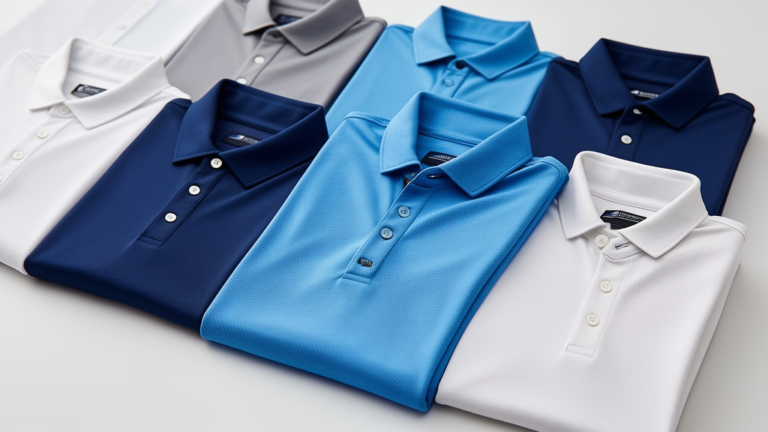
Modern golf shirts are built from performance synthetics, not cotton. Look for blends featuring polyester, nylon, or spandex—these fabrics wick moisture away from your skin and dry quickly. Brands like Nike Dri-FIT, adidas Climacool, and Under Armour HeatGear use proprietary weaves designed to pull sweat to the surface and evaporate it, keeping you dry even in humid conditions. Avoid 100% cotton shirts unless you’re playing a casual round; they absorb moisture, become heavy, and cling uncomfortably. High-quality blends also resist wrinkles, so your shirt stays crisp from the first tee to the 19th hole.
Fit: Slim, Regular, or Relaxed?
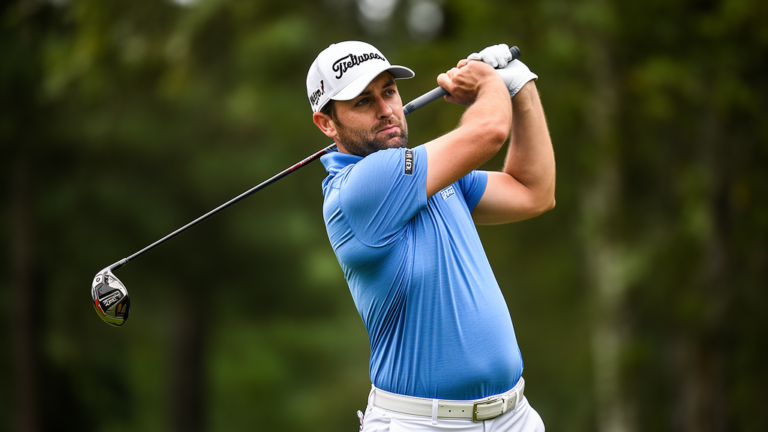
Fit affects both comfort and movement. A slim fit offers a tailored silhouette without restricting motion—ideal for golfers who want a modern look and freedom to swing. Regular fit is more traditional, with a bit more room through the chest and waist, perfect for those who prefer a classic feel. Relaxed fits are looser and often used in casual or resort-style settings. Avoid anything too tight—it can pinch during your backswing—or too baggy, which can interfere with club control. Always check the size chart: sleeve length and torso measurements vary widely between brands. Try shirts on with a golf club in hand to test mobility.
Collar Styles: Function Over Form
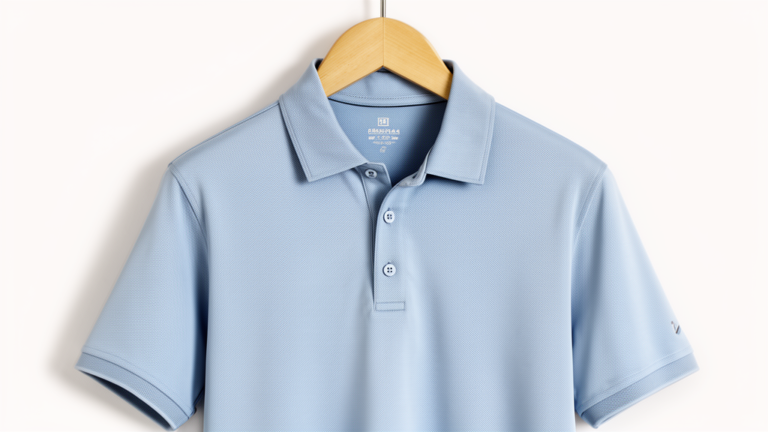
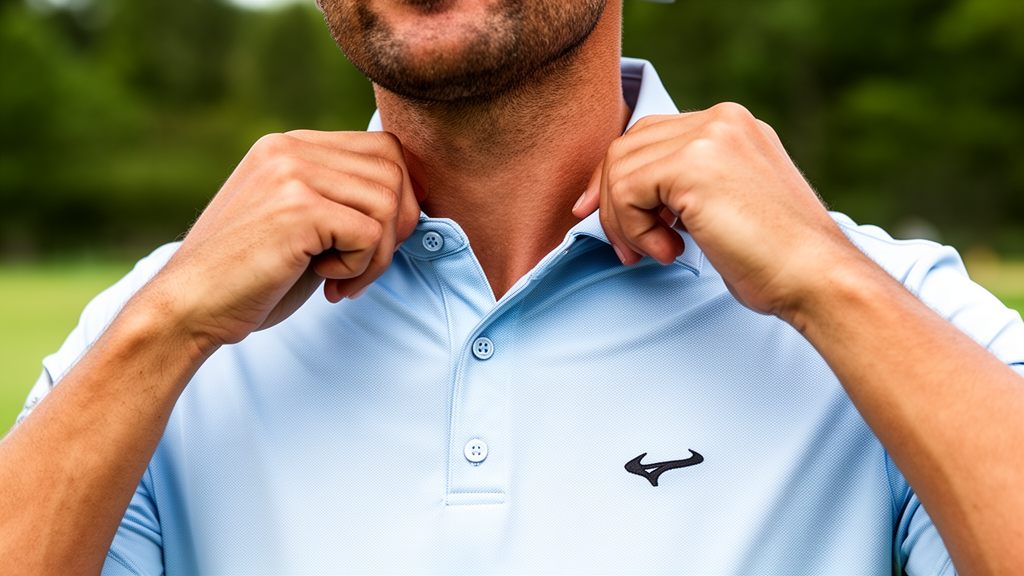
The collar is one of the most overlooked features. A well-designed collar stays upright and doesn’t flop over during your swing. Look for shirts with structured collars that have internal stabilizers or a slight stiffness in the fabric. Traditional polo collars with a two-button placket are standard and widely accepted on most courses. Avoid button-down collars unless your club allows them—they’re more casual and can flip up during motion. Some newer designs include hidden snaps or magnetic closures to keep the collar in place without looking bulky. A good collar should lie flat when unbuttoned and pop up neatly when fastened.
Sun Protection: Don’t Rely on SPF Alone
Many golfers assume sunscreen is enough, but a shirt with UPF (Ultraviolet Protection Factor) adds consistent, all-day defense. Look for shirts labeled UPF 30 or higher—UPF 50+ is ideal for long days under the sun. Unlike sunscreen, which wears off or rubs away, UPF is built into the fabric’s weave and doesn’t wash out. Brands like Callaway, FootJoy, and TravisMathew often integrate UPF into their performance lines without adding bulk. Light colors reflect more UV rays than dark ones, but don’t assume a white shirt automatically offers protection—check the label. Even on cloudy days, UV exposure remains high, so UPF is a smart investment.
Stretch and Mobility: Swing Without Restriction
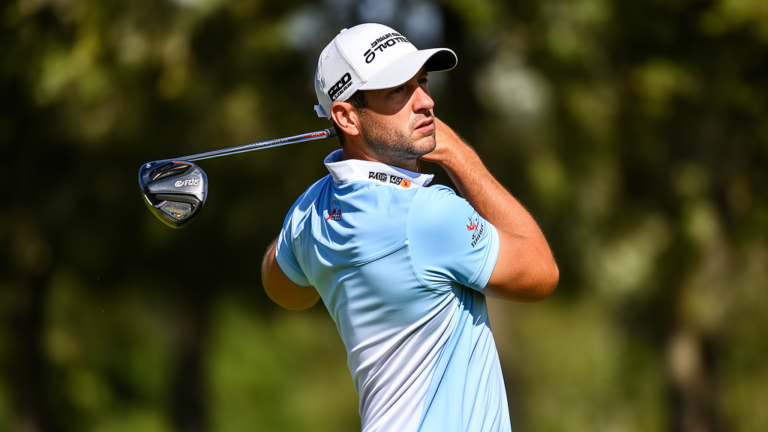
Your golf swing demands full shoulder rotation and torso twist. Shirts with 2–4% spandex or elastane blended into the fabric offer just enough stretch to move freely without sagging or losing shape. Test this by raising your arms overhead and rotating your shoulders as if you’re taking a full swing. If the shirt pulls, tightens, or rides up, it’s not designed for golf. Look for gusseted underarms or articulated seams—these details are engineered to reduce bunching and increase range of motion. Don’t be fooled by “athletic fit” labels alone; confirm the stretch content in the product description.
Care and Durability: Wash After Wash
A golf shirt should last multiple seasons with proper care. Machine wash in cold water with like colors, and avoid fabric softeners—they clog moisture-wicking fibers. Tumble dry on low or hang to dry; high heat can damage elastic fibers and shrink the fit. Look for shirts with color-lock technology or anti-fade treatments, especially if you play often in bright sunlight. Reputable brands use high-thread-count knits and reinforced stitching at stress points like the shoulders and placket. A shirt that holds its shape after 20+ washes is worth the initial investment.
Dress-Code Fit: Know the Rules
Most golf courses require a collared shirt, and many prohibit tank tops, t-shirts, or athletic wear. Even if your club is lenient, dressing appropriately shows respect for the game’s traditions. Stick to polos, button-downs, or tailored performance shirts with collars. Avoid overly loud graphics or logos that might violate club standards. If you’re unsure, check the course’s website or call ahead. Many private clubs require shirts to be tucked in; others allow untucked for a more relaxed look. When in doubt, choose a clean, classic design—it’s always acceptable.